
True Fit Launches AI Shopping Agent Powered by 20 Years of Fit Data — Can It Solve Fashion E-Commerce's Biggest Challenge?

Akihiro Suzuki
Twitter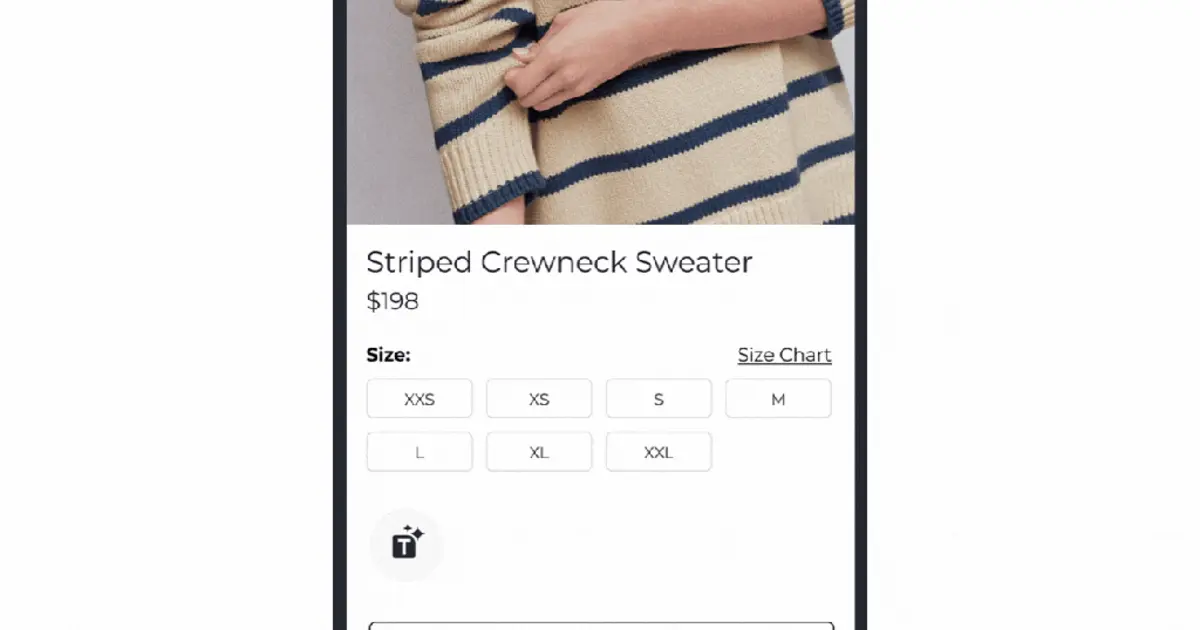
Source: sourcingjournal.com
Key Takeaways
- True Fit launches an AI shopping agent built on 20 years of purchase and return data, targeting the sizing problem that accounts for 67% of fashion e-commerce returns
- "Outcome-based" fit data and coverage across 91,000 brands enable personalized recommendations far beyond traditional size charts
- MCP support allows fit data to be provided to existing AI agents as infrastructure, with early access starting March 1, 2026
True Fit Officially Launches a "Fit-Specialized" AI Shopping Agent

True Fit Launches AI Shopping Agent Built on Two Decades of Fit Data
True Fit's new AI shopping agent uses 20 years of fit, style and purchase data to help consumers find the right products.
On February 17, 2026, Boston-based fit technology company True Fit officially unveiled its AI shopping agent for fashion retail. The agent is built on approximately 20 years of accumulated purchase and return data, aiming to resolve consumers' fundamental anxiety of "will this fit me?" in real time.
Co-founder and CEO Jessica Murphy stated that "agentic commerce was something nobody was paying attention to a year ago, but now it has become the top priority for every retail team."
Industry Landscape
The return problem in fashion e-commerce has become a critical business challenge across the entire industry. E-commerce returns in 2025 are projected to reach approximately $850 billion, with roughly one in every five online purchases being returned. The return rate for apparel and footwear is particularly high at 25-40%, the highest among all categories.
The primary cause is "uncertainty around size and fit." Industry research indicates that 67% of fashion returns are attributable to size and fit issues. The inability to try items on is the top reason 43% of consumers hesitate to purchase online, representing a structural weakness of fashion e-commerce.
Meanwhile, the "agentic commerce" wave that has rapidly emerged from 2025 to 2026 is presenting new solutions to this challenge. As Google and Shopify have successively announced AI agent-related features, True Fit is seeking to establish a unique position as a "fit data-specialized AI agent."
"Outcome-Based" Fit Recommendations Powered by 20 Years of Data
The key differentiator of True Fit's shopping agent is the scale and quality of its data foundation. The company publishes the following figures on its official website:
- Over $616 billion in transaction data analyzed
- Shopper profiles at a scale of hundreds of millions
- More than 60 million unique products
- Coverage of over 91,000 apparel and footwear brands
- 65% market share in the fit tech market (larger than all competitors combined)
Traditional size recommendation tools relied on static size charts and product page reviews. What sets True Fit's agent apart is that it is built on data from "products that consumers actually purchased and did not return" -- that is, "outcome-based" data. Rather than simply referencing click behavior or review text, it derives optimal sizing from patterns of "items that were actually kept."
In terms of specific functionality, the agent detects "hesitation signals" during shopping and provides accurate size guidance in plain language. This also aims to reduce so-called "bracket buying" -- the practice of purchasing multiple sizes and returning those that don't fit.
Integration with Existing AI Agents via MCP
Another noteworthy aspect of this announcement is that True Fit's "Fit Intelligence" layer is available via Model Context Protocol (MCP). MCP is an open standard protocol announced by Anthropic in November 2024, designed to seamlessly connect AI assistants with external data sources.
This enables retailers to incorporate True Fit's fit data as "infrastructure" into their existing AI shopping assistants, search systems, and personalization engines. True Fit positions this delivery model on its website as being "for big tech, AI labs, marketplaces, and advanced tech stacks."
In other words, True Fit offers two deployment approaches. The first is an "AI shopping agent" that embeds directly into product detail pages (PDP) and product listing pages (PLP). The second is an "API/infrastructure" model that provides fit intelligence to other systems through MCP. The company has also earned Shopify Plus certification (5-star rating), keeping the barrier to adoption low for existing e-commerce platforms.
Impact and Implications for E-Commerce Businesses
According to True Fit's official website, adopting companies have reported the following results:
- Up to 40% reduction in fit-related returns
- 1-2% improvement in site-wide conversion rate (measured via A/B testing)
- 4% incremental revenue increase
- Up to 4x conversion rate lift (case studies from adopting brands)
Particularly noteworthy is the data showing that "consumers who have a good fit experience are twice as likely to make a repeat purchase." Return reduction is not just a short-term cost savings -- it directly contributes to improving customer LTV (lifetime value).
The rollout schedule calls for early access partners to begin receiving the product on March 1, 2026, with general availability planned for April.
When considering adoption of this agent, the starting point for e-commerce businesses is analyzing their own return data. Businesses with a higher proportion of fit-related returns stand to benefit most. Additionally, because MCP support allows for "adding a fit data layer" rather than replacing existing AI agents, the technical barrier to adoption is relatively low.
Conclusion
In the era of agentic commerce, "fit and sizing" is no longer just a size chart issue -- it has become the most frequently asked topic for AI agents. True Fit's data showing that up to 70% of questions to AI shopping agents are fit-related clearly demonstrates the importance of this domain.
True Fit's strength lies in its "outcome-based" dataset accumulated over nearly 20 years of history and its coverage spanning 91,000 brands. The strategy of providing open data access through MCP goes beyond deploying its own standalone agent -- it represents a move to establish the company as the "fit infrastructure" of agentic commerce.
Going forward, the key question is how domain-specialized data providers like True Fit will be positioned as e-commerce AI agent infrastructure -- including Google's UCP (Universal Commerce Protocol) and Shopify's MCP server -- rapidly matures. Whether the value of "specialized knowledge" that general-purpose AI agents alone cannot provide will be proven in the fashion e-commerce domain remains to be seen. All eyes are on the results from the March early access release.
Related Articles
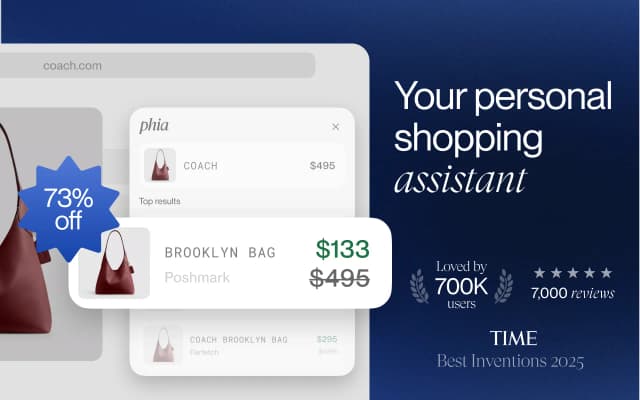
Phia: The AI Shopping Agent Founded by Bill Gates' Daughter Raises $35 Million
AI shopping agent Phia raises $35M in Series A. Deep dive into the service offering price comparison, resale suggestions, and personalized recommendations
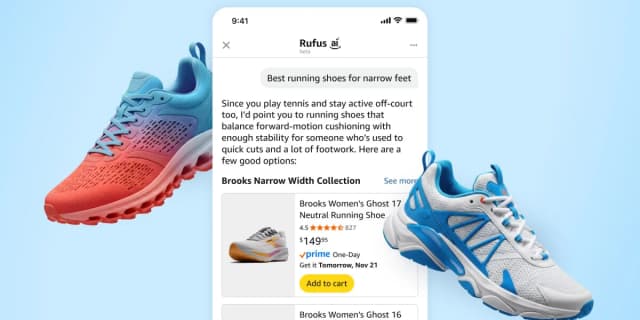
Amazon Rufus: The Full Picture of the AI Shopping Assistant Used by 250 Million People
Amazon Rufus reaches 250 million users and drives $10 billion in additional sales. Deep dive into its technology, features, and implications for e-commerce.
75% of Retailers Unprepared for Agentic Shopping - Patchworks Survey Reveals Technology Stack Challenges
Only 27% of UK retailers have technology infrastructure capable of supporting agentic shopping. 60% experience annual revenue losses due to poor system integration, with 10% losing over £1 million annually.
Tags
Share this article