
Amazon Announces Walmart-Style Supercenter Plans: Building 220,000 Sq Ft Store in Chicago Suburb

Akihiro Suzuki
Twitter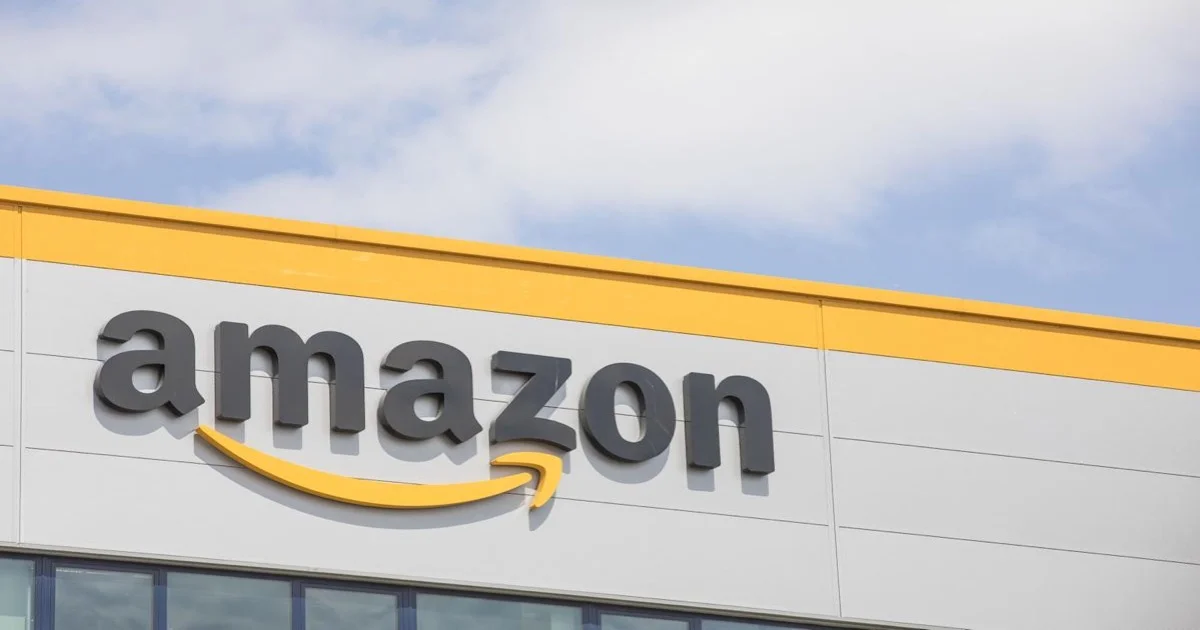
Source: www.cnbc.com
Key Takeaways
- Amazon announces plans for 229,000 sq ft big-box store in Orland Park, Illinois
- Store size exceeds average Walmart Supercenter (179,000 sq ft), will sell groceries and general merchandise
- Marks potential turning point in physical retail strategy - e-commerce operators should monitor competitive landscape changes
Amazon Plans First "Big-Box" Format Store

Amazon plans first big-box retail store in Chicago suburb
Amazon has submitted plans for a large-format store near Chicago that would be larger than a Walmart Supercenter.
On January 9, 2026, it was revealed that Amazon submitted building plans for a large retail store in Orland Park, Illinois. According to the plans, the store will span 229,000 square feet (approximately 21,300 square meters), significantly exceeding the average Walmart Supercenter size of 179,000 square feet.
The Orland Park Plan Commission approved the plans on January 6, 2026, with the next step being the final vote at the village board meeting on January 19. If approved, construction is expected to begin in late 2026.
The facility will sell both groceries and general merchandise, with prepared food options also available. Additionally, it will include functionality for customers to pick up online orders at the store, plus warehouse space for delivery drivers to pick up orders.
Background and Industry Trends
Evolution of Amazon's Physical Retail Strategy
Amazon has struggled with physical retail over the past several years. In 2022, it closed all 68 of its bookstores, 4-star stores, and Pop Up shops. In 2023, Amazon Style clothing stores were also shut down.
Furthermore, in September 2025, Amazon announced the closure of all 14 Amazon Fresh stores in the UK, with plans to convert 5 of them to Whole Foods. In the US, Amazon Fresh store closures continued in California, Virginia, and other states throughout 2024-2025.
Currently, Amazon operates approximately 58 Amazon Fresh stores, 14 Amazon Go stores, and over 500 Whole Foods Market locations.
Why "Supercenter" Now?
Amazon's grocery market share is only 2.7%, far behind Walmart's 21% share. With 86.3% of US grocery sales still occurring offline, a physical store network is essential to become a true category leader.
Walmart operates approximately 4,600 stores nationwide, with 90% of the US population living within 10 miles of a Walmart store. In contrast, Amazon has only about 60 Fresh stores and approximately 530 Whole Foods locations.
This plan signals Amazon's intent to directly challenge Walmart with a "supercenter" format combining groceries and general merchandise.
Store Details and Features
Location and Scale
The planned store will be built on 35 acres of land in Orland Park, a Chicago suburb. The site is at the intersection of two major roads, with large retailers like Target, Costco, and Trader Joe's located nearby.
The single-story store will have 229,000 square feet of retail space - approximately 28% larger than a typical Walmart Supercenter (179,000 square feet).
Services Offered
An Amazon spokesperson commented: "We regularly test new experiences designed to make customers' lives better and easier. The site in question is a planned location for a new concept that we believe customers will love."
According to planning documents, the facility is expected to offer the following services:
- Grocery Sales: Wide assortment from fresh produce to daily necessities
- General Merchandise Sales: Electronics, clothing, household goods, etc.
- Prepared Foods: Restaurant-style meal options
- Online Order Pickup: Integration of e-commerce and physical retail
- Delivery Hub Function: Pickup space for drivers
This "limited warehouse component" means the store will function not just as a sales location but also as a last-mile delivery hub.
Impact on E-commerce Operators
Changing Competitive Landscape
This announcement suggests competition between Amazon and Walmart is entering a new phase. Mizuho analysts note that "Amazon is investing in groceries and rural areas, which means direct confrontation with Walmart."
Key points for e-commerce operators to watch:
- Accelerating Omnichannel Strategy: As Amazon intensifies integration of physical stores and e-commerce, new sales channels may emerge for marketplace sellers
- Expanded Delivery Infrastructure: With stores serving as delivery hubs, delivery speed to rural areas may improve
- Intensifying Grocery Competition: E-commerce operators handling groceries should anticipate fiercer competition on price, assortment, and convenience
Future Schedule
If approved at the January 19 village board vote, construction is expected to begin in late 2026. Opening date has not been disclosed, but considering typical large store construction timelines, opening is projected for late 2027 to 2028.
Currently only one store is planned, but if successful, nationwide expansion may be considered.
Summary
Amazon's supercenter plan could mark a major turning point in the company's physical retail strategy. Building on lessons from previous small-format store failures, this appears to be a strategy to recapture grocery market share with Walmart-style large-format stores.
For e-commerce operators, it's essential to monitor market environment changes brought by intensifying competition between the two retail giants, Amazon and Walmart. In particular, as integration of physical stores and e-commerce advances further, the importance of omnichannel strategy is expected to increase significantly.
Going forward, attention turns to the final approval at the January 19 village board meeting and official detailed announcements from Amazon.
References
- Amazon plans first big-box retail store in Chicago suburb - CNBC
- Orland Park Plan Commission endorses Amazon retail center - Chicago Tribune
- Amazon plans Walmart-style big box store in Orland Park - Crain's Chicago Business
- Amazon Gains Retail Lead as Walmart Keeps Top Spot in Grocery - PYMNTS
- Amazon's Big-Box Gambit: Assessing the Scalability of a Grocery Market Share Bet - AInvest
- Amazon shutters Fresh stores as grocery strategy keeps shifting - CNBC
Related Articles
Walmart's Agentic Commerce Vision: Four Pillars and Less Scrolling Shopping
Walmart launches AI-driven agentic commerce strategy. Partnering with Google and OpenAI to lead conversational shopping standards with four pillars: practicality, personalization, immersion, and anticipatory commerce.

What is Agentic Commerce? Explaining the New Era of AI-Powered Purchasing
Explore the full scope of Agentic Commerce. AI agents autonomously execute everything from product selection to payment on behalf of users. Discover shocking data including 4,700% increase in AI-driven traffic and 20% of Walmart's traffic from ChatGPT, along with three essential preparation steps companies should start immediately.

Shopify Partners with Both Google and Microsoft for Agentic Commerce, Pursues All-Encompassing Strategy
Shopify co-develops Google's UCP while also integrating with Microsoft Copilot Checkout. Building a 'buy from any AI' environment as an e-commerce platform.
Tags
Share this article