
Alibaba Launches Enterprise AI Agent Platform Wukong with Slack and Teams Integration Planned

Akihiro Suzuki
Twitter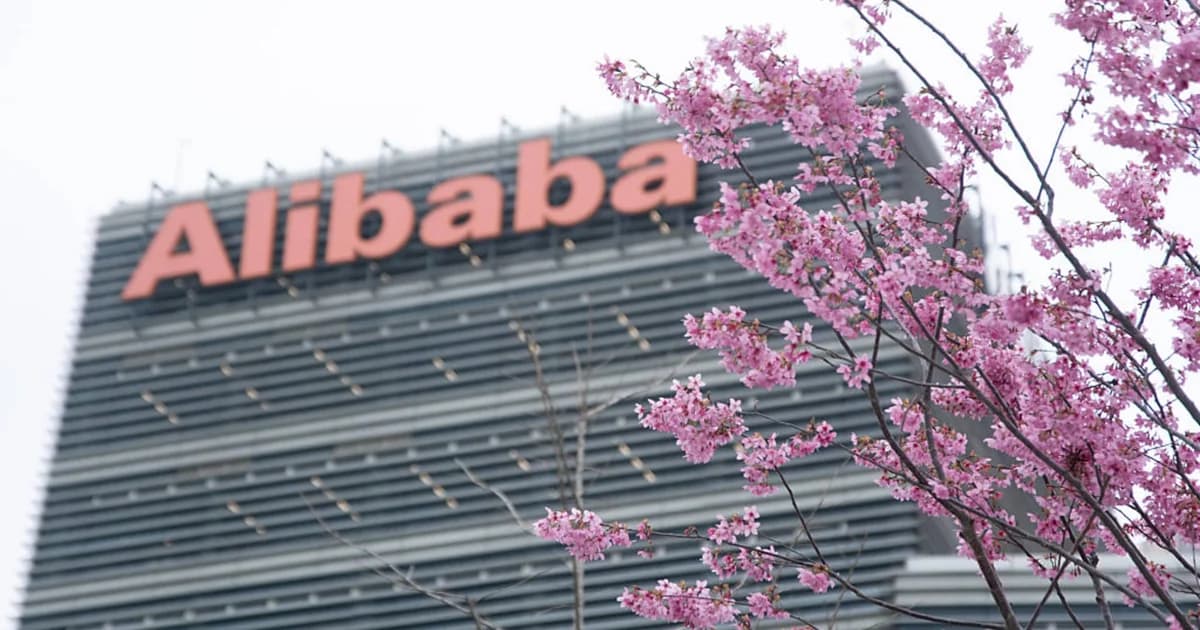
Source: www.cnbc.com
Key Takeaways
- Alibaba unveils Wukong, an enterprise multi-agent management platform, now in invite-only beta
- Amid China's overheating AI agent market, Wukong's planned integration with Taobao and Alipay carries major implications for commerce
- E-commerce businesses should start rethinking workflow design to prepare for the wave of agentic AI automation
Alibaba Unveils Multi-Agent Integration Platform Wukong

Alibaba launches agentic AI tool for businesses with Slack, Teams integration plans
Alibaba unveiled a new enterprise artificial intelligence tool on Tuesday amid a series of other developments in the company's AI space.
On March 17, 2026, Chinese tech giant Alibaba announced Wukong, an enterprise AI platform aimed at the agentic commerce era. Named after Sun Wukong (the Monkey King) from the classic Chinese novel "Journey to the West," the platform's standout feature is its ability to manage and integrate multiple AI agents through a single interface.
According to Alibaba's statement, Wukong features "enterprise-grade security infrastructure" and can centrally manage agents that handle tasks such as document editing, approval workflows, meeting transcription, and research. It is currently in an invite-only beta testing phase.
Industry Context
Wukong's announcement comes at a time when China's AI agent market is rapidly overheating. The open-source agentic platform OpenClaw has gained explosive popularity in China, with CNBC reporting that approximately 1,000 people lined up outside Tencent's headquarters in Shenzhen for a free setup assistance event.
In this landscape, Alibaba's rival Tencent and startups like Zhipu AI are launching OpenClaw-based agent products one after another. Bloomberg reporting indicates that Tencent is widening its lead in this race.
What's particularly noteworthy is that Alibaba itself underwent a major organizational restructuring the day before the Wukong announcement. A new business group called "Alibaba Token Hub (ATH)," reporting directly to CEO Eddie Wu, was established, and Wukong was placed under this new organization. According to TechNode reporting, ATH consolidates existing AI-related divisions including Tongyi Laboratory, the MaaS business line, Qwen, and AI Innovation.
Wukong's Capabilities and How It Differs from Chatbots
While traditional chatbots are "passive" systems that generate responses to prompts, the AI agents managed by Wukong are fundamentally different in that they act "proactively." They execute tasks—document editing, approval flow execution, automatic meeting transcription, automated research—without continuous human instruction.
Wukong's key differentiator as a platform lies in "multi-agent integrated management." According to PYMNTS reporting, Wukong has the ability to "coordinate multiple agents within a single interface to handle complex tasks."
Two usage modes are available: as a standalone desktop application, or through Alibaba's cloud communication platform DingTalk. DingTalk is a Slack-like service with over 20 million corporate users.
The future roadmap includes planned integration with Slack, Microsoft Teams, and Tencent's WeChat. How interoperability will be ensured with Western agentic commerce infrastructure such as Google's UCP and Mastercard's Agent Suite is also a key point to watch. Mobile device support is also planned, clearly laying the groundwork for global expansion.
Qwen Team Talent Exodus and the Meaning of Reorganization
The Wukong announcement coincides with significant upheaval within Alibaba. Key members who led the development of the AI chatbot Qwen have departed in succession.
According to TechCrunch reporting, on March 4, Qwen's technical leader Lin Junyang posted the cryptic message "bye my beloved qwen" on X, suggesting his departure. The following day, CEO Eddie Wu officially confirmed Lin's resignation in an internal memo. Lin's departure marks the third executive exit in 2026, following post-training lead Yu Bowen and coding lead Hui Binyuan.
VentureBeat's analysis points to the dismantling of the "vertically integrated" R&D model that Lin had championed as the background for his departure. The establishment of ATH is seen as an attempt to resolve this turmoil, consolidate AI resources, and accelerate commercialization.
CEO Wu stated in his internal memo that Alibaba is "standing at the entrance of an AGI (artificial general intelligence) inflection point," positioning this restructuring as a "historic opportunity."
Implications and Applications for E-Commerce Businesses
What e-commerce businesses should pay most attention to is that Wukong has clearly planned integration with Alibaba's e-commerce platforms. Phased integration with Taobao and Alipay is expected, and if realized, the following changes are anticipated.
Order and inventory management automation: AI agents may autonomously execute order processing, inventory checking, and procurement decisions. Significant efficiency gains are expected for routine tasks currently performed manually.
Advanced customer support: The transition from traditional chatbot-based support to "agentic support," where AI agents solve problems while accessing multiple systems, will accelerate. Returns processing, delivery tracking, and account management can be handled cross-functionally.
Business transformation through workflow integration: Integration with Slack, Teams, and WeChat will create an environment where e-commerce business instructions can be delegated to AI agents directly from internal communication tools.
However, Wukong is currently in invite-only beta, and the general availability date has not been announced. Additionally, careful consideration is needed regarding security and privacy risks associated with granting AI agents broad access to internal corporate data. PYMNTS research has highlighted the need for "Know Your Agent" mechanisms to distinguish legitimate AI agents from malicious bots.
Summary
Alibaba's Wukong announcement symbolizes the arrival of an era where AI agents are fully integrated into enterprise business processes. In the Chinese market, AI agent adoption is accelerating against the backdrop of the OpenClaw boom, with tech giants like Alibaba, Tencent, and Baidu racing to build ecosystems.
There are three key points to watch going forward. First, when and how Wukong's Taobao and Alipay integration will materialize. Second, the speed of global market expansion through Slack and Teams integration. Third, how much Qwen team talent exodus will impact Alibaba's AI technical capabilities.
Alibaba has its Q4 2025 earnings report scheduled for March 19, where new information about the scale of AI-related investment and monetization progress is expected to emerge. For e-commerce businesses, it is important to start designing now—monitoring agentic AI trends while identifying where in their own workflows AI agents can be deployed.
Related Articles
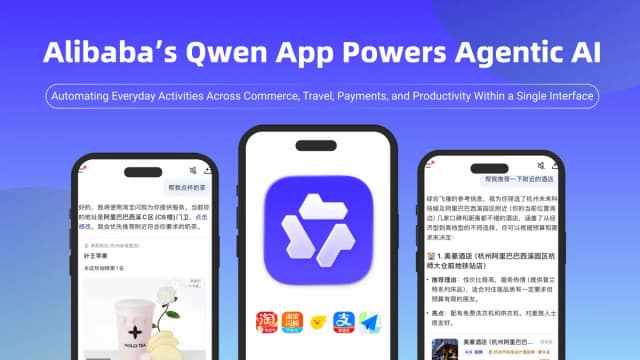
Alibaba Integrates Shopping into Qwen AI App: The Dawn of Agentic AI Era
Alibaba integrates Taobao, Alipay, and Fliggy into Qwen app, enabling end-to-end conversational commerce. Analysis of China's AI×EC market competition.
China's Big Three Enter Agentic Commerce Race—The Redefinition of Super Apps Begins
Alibaba, ByteDance, and Tencent simultaneously deploy AI shopping agents. With market predictions reaching up to $5 trillion by 2030, we examine each company's specific initiatives and implications for global e-commerce.

Walmart AI Assistant Sparky Users Spend 35% More — The Power of Intent-Driven Commerce Revealed in Earnings Call
Walmart's AI assistant Sparky users spend 35% more than non-users. The power of intent-driven commerce demonstrated through concrete earnings data.
Tags
Share this article